
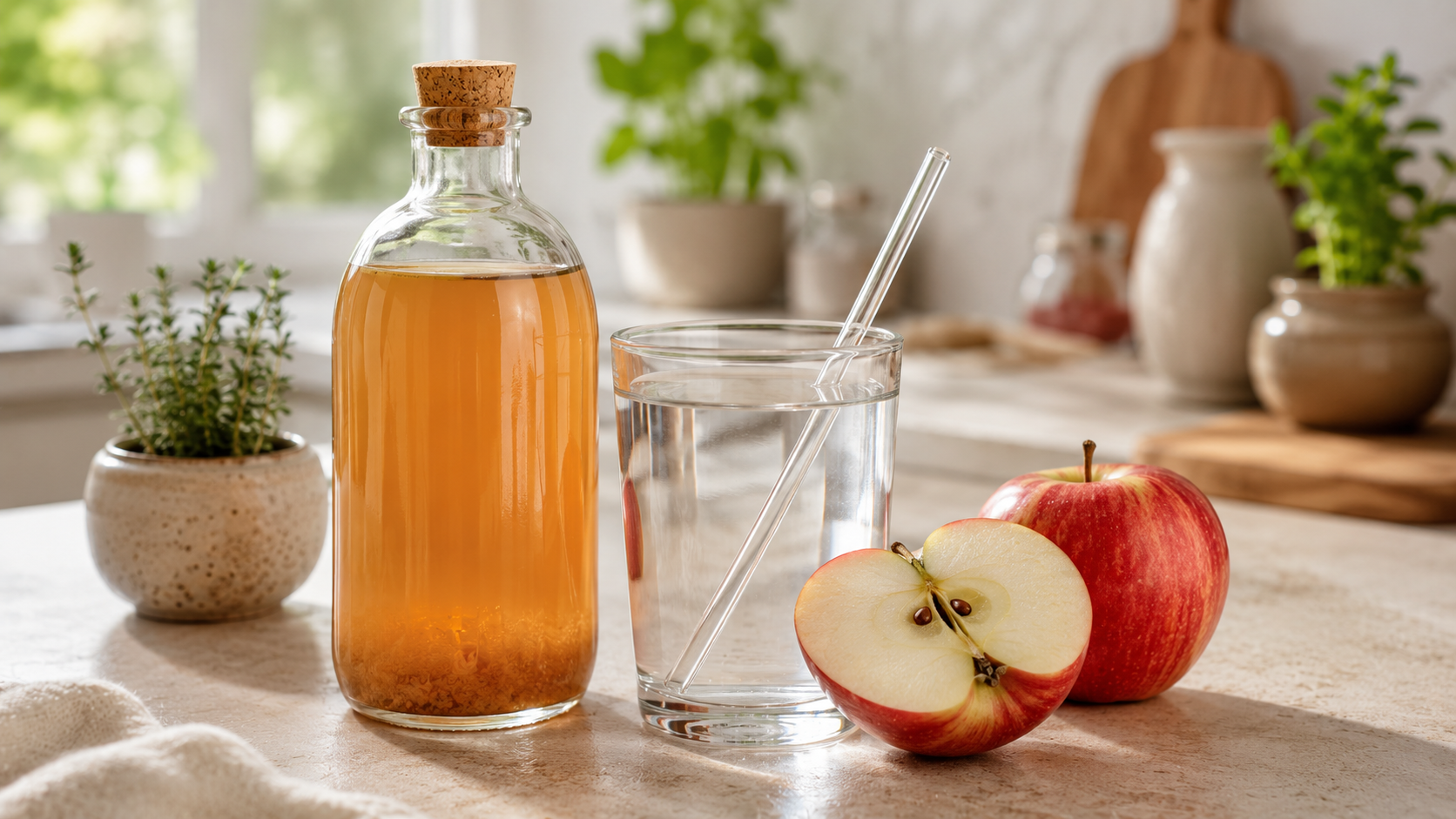
How to fix low stomach acid naturally at home using organic apple cider vinegar

A-professional-clean-editorial-stock-photograph-for-a-premium-digestive-health-and-functional-nutrition-blog


How to Fix Low Stomach Acid Naturally at Home Using Organic Apple Cider Vinegar

How to Fix Low Stomach Acid Naturally at Home Using Organic Apple Cider Vinegar

Millions of people worldwide suffer from chronic bloating, heavy gas, acid reflux, and the uncomfortable sensation that food is simply sitting in their stomach like a brick hours after eating. Ironically, the vast majority of individuals experiencing these symptoms immediately assume they have too much stomach acid, leading them to reach for over-the-counter antacids or proton pump inhibitors (PPIs).

However, clinical gastroenterology reveals a surprising paradox: the symptoms of excess acidity are almost identical to those of hypochloritria, or low stomach acid. When your gastric juices lack the necessary acidity, your digestive system cannot effectively break down proteins, neutralize pathogens, or signal downstream digestive organs to release essential enzymes. This comprehensive guide details the physiological mechanics of low stomach acid and provides a scientifically structured, safe protocol to restore your gastric pH at home using raw, organic apple cider vinegar (ACV).


The Cascade of Hypochlorhydria: Why Your Gut Needs Acid

Your stomach is biologically designed to be an incredibly hostile, highly acidic environment, maintaining a normal fasting pH between 1.5 and 3.0. This extreme acidity is maintained by hydrochloric acid (HCl), secreted by specialized parietal cells in the stomach wall. This low pH serves two critical evolutionary functions: it immediately denatures complex protein structures and acts as a primary sterilization barrier against harmful bacteria, yeast, and parasites introduced through food.

When stomach acid drops, a destructive digestive chain reaction occurs. First, the inactive enzyme pepsinogen cannot convert into its active form, pepsin, leaving dietary proteins largely undigested. As this semi-solid, unacidified food mass (chyme) moves into the small intestine, it fails to trigger the release of secretin and cholecystokinin (CCK)—the hormones responsible for prompting the pancreas to release digestive enzymes and the gallbladder to secrete bile.

Instead of being cleanly absorbed, the food begins to ferment and putrefy in the upper GI tract. This fermentation releases hydrogen and methane gases that build upward pressure, forcing the lower esophageal sphincter (LES) open. This allows micro-droplets of weak acid to escape into the esophagus, causing the exact burning sensation mistaken for “acid reflux.”


The Organic Apple Cider Vinegar Protocol

Raw, organic apple cider vinegar acts as a natural exogenous digestive aid. Because it contains roughly 5% to 6% acetic acid, it introduces a mild, controlled acidic solution to the gastric environment, helping lower the stomach’s localized pH back toward its optimal biological baseline before a meal arrives.

To safely upgrade your gastric environment without irritating your mucosal tissue, implement this precise 3-step home protocol:

Step 1: Selecting the Right Therapeutic ACV

Do not use clear, pasteurized, distilled white vinegar or commercial clear apple vinegars. These have been stripped of their organic properties. You must use vinegar labeled as Raw, Unfiltered, Organic, and containing “The Mother.” The “Mother” is a cloudy, floating matrix of beneficial acetic acid bacteria, cellulose, and active enzymes that provide prebiotic support to the upper digestive tract.

Step 2: The Pre-Meal Dilution Ratio

Never drink apple cider vinegar straight. Acetic acid is highly concentrated and can cause thermal irritation to the delicate tissues of your esophagus and slowly erode tooth enamel over time if consumed undiluted.

  • The Formula: Mix 1 teaspoon (5ml) of raw organic ACV into 4 to 6 ounces (approx. 120ml–180ml) of filtered, room-temperature water.
  • The Timing: Drink this mixture exactly 15 to 20 minutes before your largest protein-containing meal of the day.
  • Enamel Protection: Drink the solution through a straw to bypass your front teeth entirely. After finishing, rinse your mouth thoroughly with plain water; do not brush your teeth for at least 30 minutes afterward.

Step 3: Graded Titration (Finding Your Baseline)

If you experience no warmth or minor burning after three days of using 1 teaspoon, you can gradually increase the dose to 1 tablespoon (15ml) mixed into the same volume of water before your main meals. If you ever experience an intense, painful burning sensation in your stomach lining, it means your stomach lining may currently be inflamed (gastritis) or ulcerated. If this happens, immediately stop the protocol and focus on soothing nutrients like bone broth, DGL (deglycyrrhizinated licorice), and zinc carnosine before attempting to boost acid again.


The Malabsorption Connection: Nutrient Deficiencies Caused by Low Acid

Low stomach acid is not just an issue of temporary physical discomfort; it directly leads to chronic, systemic nutritional starvation. Without a highly acidic environment, your body cannot break the chemical bonds required to cleave and absorb life-essential micronutrients.

Nutrient Biological Dependency on Gastric Acid Systemic Deficiency Symptoms
Vitamin B12 Requires high HCl to separate B12 from dietary protein, allowing it to bind to Intrinsic Factor. Profound fatigue, macrocytic anemia, neurological tingling, memory issues.
Non-Heme Iron Gastric acid converts ferric iron ($Fe^{3+}$) into the highly absorbable ferrous ($Fe^{2+}$) form. Iron-deficiency anemia, brittle nails, cold extremities, hair loss.
Calcium & Magnesium Acid environments dissolve insoluble mineral salts into ionized forms for intestinal transport. Muscle cramps, poor bone density, heart palpitations, nervous system anxiety.
Dietary Proteins Low acid fails to activate pepsin, leaving proteins unbroken into amino acid peptide chains. Loss of lean muscle mass, poor skin elasticity, impaired neurotransmitter production.

The Clinical Data: Gastric Acidity and Bacterial Overgrowth

The therapeutic use of organic acids to correct digestive insufficiency is firmly validated by modern microbiological and clinical research. A study published in the journal Microorganisms evaluated the antimicrobial efficacy of acetic acid and found that it significantly suppresses the growth of opportunistic foodborne pathogens while encouraging an optimal environment for beneficial lactobacillus strains.

Furthermore, medical research published in the World Journal of Gastroenterology emphasizes that hypochlorhydria is one of the leading upstream risk factors for developing **SIBO (Small Intestinal Bacterial Overgrowth)**. Because the protective “acid barrier” is compromised, bacteria from the colon can migrate upward into the small intestine, fermenting food prematurely and creating severe gas. By utilizing a natural acidifier like ACV before meals, you actively maintain the sterile boundary your upper GI tract requires to prevent dysbiosis.


3 Companion Strategies to Boost Gastric Function Naturally

  • Incorporate Digestive Bitters: Spraying a blend of bitter herbs (such as dandelion root, gentian, or ginger) onto your tongue 10 minutes before eating stimulates the vagus nerve, naturally triggering your parietal cells to secrete more endogenous hydrochloric acid.
  • Eliminate Liquids During Meals: Avoid drinking large glasses of iced water, sodas, or juices while eating solid food. Excess fluids dilute your active gastric juices, raising the stomach pH and rendering your natural enzymes ineffective.
  • Practice Parasympathetic Eating: Never eat while stressed, driving, working at your computer, or standing up. Stress activates the sympathetic nervous system, which immediately diverts blood flow away from your digestive tract and halts stomach acid production. Take three deep diaphragmatic breaths before your first bite to shift your body into a “rest and digest” state.

Conclusion: Re-acidifying for Vital Absorption

True gut healing begins by addressing the root cause of structural digestive failure rather than simply suppressing temporary symptoms. By introducing raw, organic apple cider vinegar into your daily routine, you provide your stomach with the gentle, natural acidic environment it needs to activate vital enzymes, prevent bacterial fermentation, and unlock crucial vitamins and minerals from your food. Respect your digestive biochemistry, move step-by-step through the titration protocol, and transition your gut toward complete metabolic vitality.


Disclaimer: The information provided in this article is strictly for educational and informational purposes and does not substitute for professional medical advice, diagnosis, or treatment. Apple cider vinegar protocols are not suitable for individuals with active stomach ulcers, severe esophageal erosions, advanced gastritis, or those taking specific medications like diuretics or insulin without medical supervision. Always consult with a qualified physician or a certified healthcare provider before starting any new home remedies or alterative health protocols.
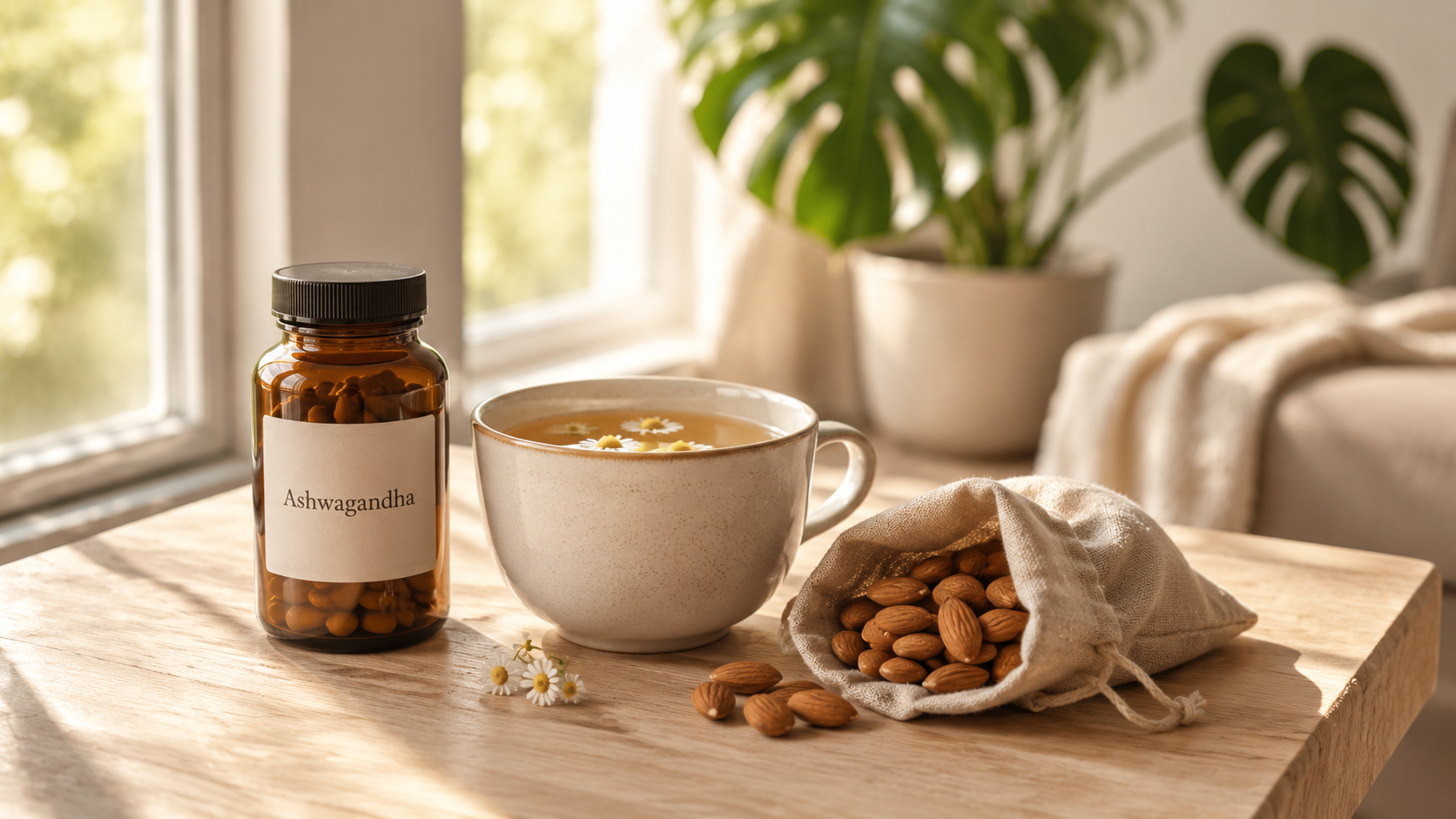


Natural remedies for cortisol belly: Science-backed lifestyle hacks that work

Natural remedies for cortisol belly: Science-backed lifestyle hacks that work
Natural Remedies for Cortisol Belly: Science-Backed Lifestyle Hacks That Work

Natural Remedies for Cortisol Belly: Science-Backed Lifestyle Hacks That Work

You work out consistently, watch your calorie intake, and eat relatively clean foods, yet you still face a stubborn layer of visceral fat right around your midsection. If this sounds familiar, you might not be dealing with a metabolic issue or a lack of willpower. Instead, you could be experiencing what endocrinologists and metabolic experts call a “cortisol belly.”

Cortisol is an essential hormone produced by your adrenal glands, vital for managing your sleep-wake cycles, blood pressure, and acute fight-or-flight stress responses. However, when modern life leaves your stress levels chronically elevated, your body remains flooded with cortisol. This hormonal imbalance shifts how and where you store adipose tissue, favoring deep abdominal fat storage over other areas of the body. This comprehensive guide details the science of stress-induced weight gain and provides actionable, clinically backed natural remedies to balance your hormones and target abdominal fat.


The Endocrinology of Stress: Why Cortisol Targets Your Abdomen

To understand why stress changes your physical shape, you have to look at cellular biology. Deep abdominal fat (visceral fat) possesses a significantly higher density of Glucocorticoid Receptors (GR) compared to subcutaneous fat found in your legs, arms, or hips. Cortisol binds directly to these glucocorticoid receptors.

When cortisol levels remain elevated, it activates a specialized enzyme inside your fat cells called 11beta-HSD1 (11-beta-hydroxysteroid dehydrogenase type 1). This enzyme converts inactive cortisone into active cortisol right inside your abdominal fat tissue, creating a localized feedback loop that tells your body to continuously store visceral fat to protect your organs from perceived starvation. Furthermore, chronically high cortisol levels break down lean muscle tissue via gluconeogenesis, slow down your resting metabolic rate, and suppress thyroid-stimulating hormone (TSH), making weight loss incredibly difficult despite a calorie deficit.


4 Science-Backed Lifestyle Hacks to Reduce Cortisol Belly

Shrinking a cortisol belly requires moving away from extreme caloric restriction or intense, exhausting workout regimens—both of which cause your body to release even more stress hormones. Instead, you must use strategic lifestyle and nutritional interventions designed to down-regulate your central sympathetic nervous system.

1. The Transition to Low-CNS Strain Exercise

Many individuals trying to lose belly fat immediately turn to high-intensity interval training (HIIT) or prolonged, exhausting cardio sessions. While well-intentioned, intense training sessions lasting longer than 45 minutes spike your circulating cortisol levels significantly. If your nervous system is already overwhelmed by work or lack of sleep, HIIT can keep your stress hormones elevated for hours post-workout.

To drop your cortisol baseline, switch your routine toward heavy resistance training with ample rest periods (which improves insulin sensitivity without draining your adrenals) paired with Zone 2 low-intensity steady-state (LISS) cardio, such as brisk walking. Walking outdoors lowers sympathetic drive and clears active cortisol from your bloodstream without triggering a systemic stress adaptation response.

2. Strategic Micronutrient and Nutraceutical Supplementation

Certain natural compounds, known as adaptogens and targeted micronutrients, are clinically shown to safely modulate the hypothalamic-pituitary-adrenal (HPA) axis, lowering your overall stress output.

  • Ashwagandha (KSM-66): A potent adaptogenic herb shown in numerous double-blind, placebo-controlled trials to drastically lower serum cortisol levels and reduce self-reported anxiety scores.
  • Phosphatidylserine (PS): A phospholipid that blunts the release of ACTH (adrenocorticotropic hormone) and cortisol triggered by acute mental and physical stress.
  • High-Dose Vitamin C and Magnesium Glycinate: Your adrenal glands consume vitamin C at an accelerated rate when under stress. Supplementing both protects the adrenal cortex and calms central nervous system hyperexcitability.

3. Advanced Sleep Architecture Management

Sleep deprivation is a primary driver of hormonal abdominal fat accumulation. Sleeping less than six hours per night disrupts your natural diurnal cortisol rhythm. Normally, cortisol spikes in the morning to wake you up and drops to its lowest point at midnight. Sleep loss blunts this curve, causing your cortisol levels to remain elevated during the evening hours when your body should be repairing itself.

To fix this, implement a strict digital sundown: eliminate high-intensity blue light exposure from smartphones and televisions at least 90 minutes before bed. Blue light stimulates melanopsin receptors in your eyes, signaling your brain to suppress melatonin production and release an untimely surge of cortisol.

4. Glycemic Index Control and Insulin Alignment

Cortisol and insulin have a highly destructive relationship. When cortisol levels are high, your liver releases stored glucose into the blood, causing your pancreas to pump out excess insulin. This combination of high cortisol and high insulin is the exact hormonal signal your body needs to lock fat inside abdominal cells.

Avoid restrictive low-carbohydrate diets that stress the body. Instead, focus on consuming high-fiber, low-glycemic carbohydrates (like quinoa, lentils, and wild berries) paired with clean, lean proteins at every meal to stabilize your blood sugar curve and lower your biological stress response.


The Cortisol Fat Blueprint: What to Keep vs. What to Drop

To optimize your daily habits for hormonal balance, compare the physiological effects of traditional fat-loss strategies against stress-conscious protocols:

Daily Habit Traditional Approach (Spikes Cortisol) Hormonal Approach (Lowers Cortisol) Impact on Abdominal Fat
Cardio Routine 60-minute daily HIIT or exhaustive distance running. 30-45 minute outdoor walking (LISS) or restorative yoga. LISS clears circulating stress hormones; extreme cardio keeps them elevated.
Morning Beverage Chugging black coffee on an empty stomach immediately upon waking. Drinking 16oz of water, eating a protein-rich breakfast, then having coffee. Caffeine on an empty stomach spikes morning cortisol peaks to unhealthy levels.
Nutritional Focus Extreme calorie restriction and eliminating entire food groups. Low-glycemic whole foods with adequate complex carbs and healthy fats. Severe starvation signaling forces the body to preserve visceral belly fat.

The Clinical Data: Real Science Behind Cortisol Accumulation

The concept of “stress belly” is firmly supported by clinical endocrinology. Research published in the journal Psychosomatic Medicine conducted a detailed analysis of women with high waist-to-hip ratios. The researchers discovered that individuals who stored a higher percentage of fat in their abdomen secreted significantly more cortisol during stressful cognitive tasks compared to those who stored fat primarily in their hips.

Furthermore, an extensive study published in The Journal of Clinical Endocrinology & Metabolism verified that blocking the 11beta-HSD1 enzyme locally within adipose tissue directly reduced visceral fat accumulation. Because we can down-regulate this enzyme naturally by managing our psychological stress and incorporating adaptogens like Ashwagandha, lifestyle interventions remain a powerful first-line tool for targeting central weight gain.


Your Daily 3-Step Adrenal Reset Protocol

  • The 90-Minute Caffeine Rule: Delay your first cup of coffee or caffeinated tea until 90 minutes after waking up. This allows your natural morning cortisol peak (the Cortisol Awakening Response) to rise and fall naturally without being artificially over-stimulated by caffeine.
  • Physiological Sighs: Whenever you feel sudden stress during the workday, practice the physiological sigh—two quick inhales through the nose followed by one long, slow exhale through the mouth. Clinical breathwork studies show this immediately activates the vagus nerve, slowing down your heart rate and suppressing acute stress hormone surges.
  • Magnesium Prioritization: Take 300mg of pure Magnesium Glycinate or Bisglycinate with your dinner meal. This mineral supports muscular relaxation, calms central nervous system pathways, and sets up your endocrine system for a deep, restorative sleep cycle.

Conclusion: Shifting the Focus from Punishment to Healing

Losing a cortisol belly requires a complete shift in your mindset. You cannot force or punish your body into dropping stress-induced fat through starvation or exhausting over-exercising. True progress happens when you focus on rest, targeted nutrition, adaptogenic support, and nervous system regulation. By calming your biological alarm systems, you stop localized fat storage signaling, balance your endocrine health, and naturally allow your body to release stubborn visceral weight.


Disclaimer: The information provided in this article is strictly for educational and informational purposes and does not substitute for professional medical advice, diagnosis, or treatment. Chronically elevated cortisol levels can occasionally point to underlying medical conditions such as Cushing’s syndrome or adrenal insufficiency. Always consult with a qualified physician, endocrinologist, or certified healthcare provider before starting any new supplementation protocols or making drastic changes to your diet and exercise habits.

The ultimate homemade electrolyte drink recipe for POTS and chronic fatigue

The ultimate homemade electrolyte drink recipe for POTS and chronic fatigue
The Ultimate Homemade Electrolyte Drink Recipe for POTS and Chronic Fatigue

The Ultimate Homemade Electrolyte Drink Recipe for POTS and Chronic Fatigue

Living with Postural Orthostatic Tachycardia Syndrome (POTS) or Chronic Fatigue Syndrome (ME/CFS) means fighting a daily battle against invisible cellular dehydration. For individuals with these conditions, the simple act of standing up can cause blood pressure to plummet and heart rates to skyrocket, leading to dizziness, profound brain fog, and exhausting physical depletion.

Commercial sports drinks are often marketed as the ultimate hydration solution. However, a quick look at their ingredient labels reveals a frustrating reality: they are heavily loaded with refined sugars, artificial dyes, and chemical preservatives, while containing only a fraction of the actual sodium and potassium required to expand blood volume. This comprehensive guide will explain the science behind dysautonomia-focused hydration and provide a clinical-grade, clean, homemade electrolyte recipe tailored to pull you out of chronic fatigue.


The Autonomic Crisis: Why Standard Water Isn't Enough

In a healthy body, the autonomic nervous system seamlessly constricts blood vessels when changing positions to pump blood up against gravity. In POTS and chronic fatigue patients, this mechanism malfunctions. Blood pools in the lower extremities, starving the brain and heart of adequate oxygenated blood flow.

To compensate for this poor vascular tone, clinical guidelines strongly recommend aggressive fluid and solute management to expand overall blood volume. If you drink pure, plain water in large quantities, you end up diluting your body's existing mineral stores. This triggers the kidneys to flush out the excess fluids, leaving you even more dehydrated at a cellular level. To retain fluid in your vascular system, water must be accompanied by precise ratios of sodium, potassium, and magnesium.


The Science Behind the Optimal Electrolyte Ratio

An effective medical-grade hydration beverage relies on the Sodium-Glucose Cotransport System inside the small intestine. This biological mechanism uses a specific molecule (SGLT1) to pull sodium across the intestinal wall. When sodium is transported, it actively drags water molecules along with it, hydrating the bloodstream significantly faster than water alone.

However, this process requires a tiny, precise amount of clean glucose to act as the key. Too much sugar causes gut irritation and inflammation, while too little slows down absorption. Furthermore, to support cellular energy production (ATP) and steady heart rhythms, the drink must balance sodium with bioavailable potassium and magnesium.

  • Sodium (Salt): The primary driver of blood volume expansion. POTS patients are often clinically advised to consume between 3,000mg to 10,000mg of sodium per day depending on medical supervision.
  • Potassium: Works inside the cells to balance the extracellular sodium, preventing muscle cramps and regulating cardiac electrical conduction.
  • Magnesium: Acts as a natural nervous system relaxant, supports mitochondrial ATP production, and reduces chronic muscle pain.

The Ultimate POTS & Chronic Fatigue Electrolyte Recipe

This clean, natural recipe avoids the synthetic flavors and chemical additives found in commercial powders, utilizing pure, bioavailable ingredients that are gentle on sensitive digestive tracts.

Ingredients Needed:

  • Base: 32 ounces (approx. 1 Liter) of filtered water or pure unflavored coconut water (coconut water adds a natural base of potassium).
  • Sodium Source: 1/2 teaspoon of high-quality, unrefined Pink Himalayan Salt or Redmond Real Salt (provides roughly 1,150mg of pure sodium along with trace minerals).
  • Potassium Source: 1/4 teaspoon of Potassium Chloride powder (often sold in grocery stores as "NoSalt" or "Nu-Salt", providing roughly 700mg of potassium).
  • Magnesium Source: 1 scoop (approx. 150mg - 200mg) of unflavored Magnesium Bisglycinate or Malate powder (Bisglycinate is highly absorbable and calm for the gut; Malate helps directly with muscle fatigue).
  • The Glucose Key: 1 tablespoon of raw, organic honey or pure maple syrup (provides the exact amount of glucose needed for cotransport without a sugar crash).
  • Flavor & Vitamin C: Juice of 1/2 freshly squeezed organic lemon or lime. This cuts through the saltiness and introduces natural bioflavonoids.

Preparation Instructions:

  1. Pour 4 ounces of warm (not boiling) water into your pitcher. Add the raw honey and salt, stirring thoroughly until completely dissolved.
  2. Add the potassium chloride powder and the magnesium powder, stirring gently until the liquid is clear.
  3. Pour in the remaining cold filtered water (or coconut water) and add the fresh lemon or lime juice.
  4. Chill in the refrigerator or serve over ice. Sip this beverage steadily throughout the morning hours rather than chugging it all at once.

Homemade Electrolyte Blend vs. Commercial Sports Drinks

To understand why this homemade protocol is far superior for dysautonomia and chronic fatigue management, look at how the mineral and ingredient profiles stack up:

Nutrient / Criteria Our Homemade Protocol (per Liter) Standard Sports Drink (per Liter) Impact on POTS & Fatigue
Sodium Content ~1,150 mg ~450 mg Homemade provides the heavy volume expansion required to stop orthostatic dizziness.
Potassium Content ~700 mg (higher if using coconut water) ~150 mg Higher potassium prevents muscle weakness and regulates heart rate spikes.
Magnesium Form 150mg of pure Glycinate/Malate Usually 0 mg Magnesium Malate actively combats cellular fatigue and supports ATP.
Sugar & Sweeteners 1 tbsp Raw Honey (Natural Glucose) 50g+ High Fructose Corn Syrup / Sucralose Artificial sweeteners alter the gut microbiome; high sugar causes systemic inflammation.

Clinical Backing: Hydration and Blood Volume Expansion

Medical research consistently proves that aggressive oral rehydration is a first-line therapy for managing orthostatic intolerance. A clinical study published in the journal Autonomic Neuroscience demonstrated that high-sodium oral rehydration therapy significantly expanded blood volume and lowered sitting-to-standing heart rates in POTS patients, mirroring the effects of intravenous saline bags.

Additionally, research focusing on Chronic Fatigue Syndrome published in the Journal of Internal Medicine highlights that a subset of fatigue patients suffer from low total blood volume (hypovolemia). By consistently using a high-sodium, balanced electrolyte fluid, patients provide their cardiovascular system with the physical volume needed to maintain proper cerebral perfusion, directly clearing morning brain fog.


3 Pro-Tips for Optimizing Your Hydration Routine

  • The Morning First-Strike: Drink 16 ounces of your electrolyte blend within the first 30 minutes of waking up, ideally before you even stand out of bed for long periods. Your blood volume drops significantly overnight through respiration and kidney filtration.
  • Watch the Temperature: If your stomach is highly sensitive or prone to gastroparesis (common in POTS), consume your drink at room temperature. Ice-cold liquids can occasionally trigger sudden vagus nerve spasms in sensitive individuals.
  • Rotate Your Magnesium: If you find you need an extra brain-boost to fight severe cognitive fog, you can swap out the magnesium glycinate for Magnesium L-Threonate, which is the only form capable of easily crossing the blood-brain barrier.

Conclusion: Reclaiming Your Energy Drop by Drop

Managing dysautonomia and chronic exhaustion requires precise, daily habits. By moving away from hyper-processed, low-sodium commercial beverages and embracing a clean, targeted, mineral-dense homemade electrolyte drink, you take direct control of your vascular volume. Give your cells the specific hydration environment they need, stabilize your heart rate, and build a resilient foundation for consistent, long-term physical energy.


Disclaimer: The content provided in this article is intended strictly for educational and informational purposes and does not constitute medical advice. High-sodium diets and aggressive electrolyte supplementation can heavily impact blood pressure, kidney function, and cardiovascular health. It is absolutely essential to speak with your primary physician, cardiologist, or healthcare provider to determine the exact sodium and fluid targets appropriate for your specific medical history before starting this protocol.